What We Know
In the style of Robert Frost perhaps?

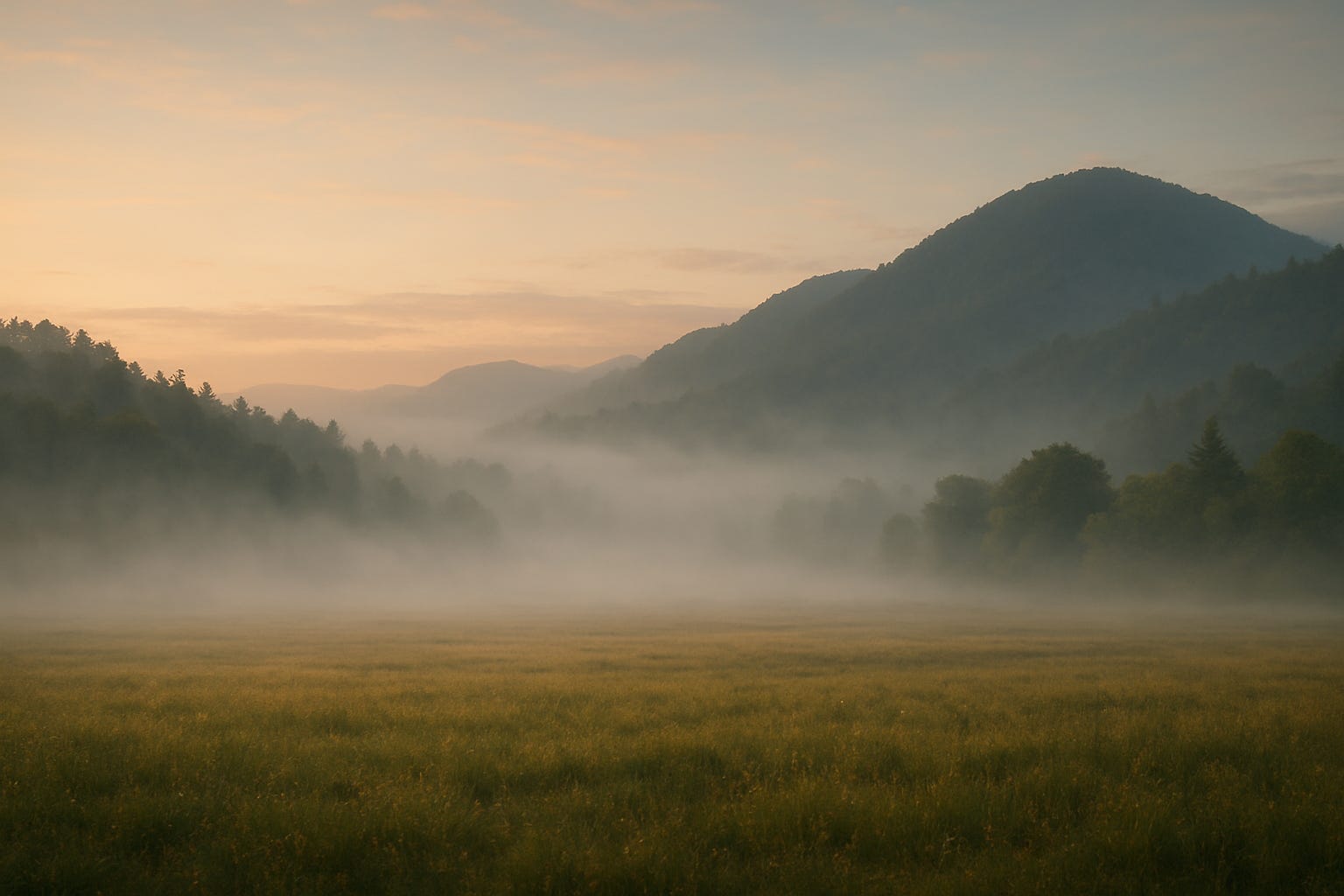
What We Know
We say we know the world, but don’t know much.
We see the field; we do not see the seed.
We name the sky, the wind, the hill beyond—
but naming isn't knowing, not quite yet.
We feel the cold, the warmth upon our skin,
but feeling’s not the thing that’s being felt.
We take a breath and say the air is clear,
but what we know is only what we breathe.
We think we see, but seeing has its frame.
The eye, the mind, the tongue all take their cuts.
The bat, the dog, the spider—all make worlds,
but none of them can claim the world itself.
We make decisions: this we'll measure now—
the size of stones, the heat of burning wood—
we draw our lines and scale the things we weigh,
but still the world steps back, just out of reach.
The numbers serve us, yes, but do not speak.
They help us build a roof, divide a field,
but not the world. Just something of the world.
A shadow of the fire, not the flame.
And language tries to catch what can't be held.
We fashion tools from thought and give them names.
We say that this is time, and that is mass,
but saying so won’t make the saying true.
We sleep and wake, and in between we dream.
The world is lost, then something else steps in—
a field, perhaps, too wide to walk across,
or voices calling names we do not know.
Each morning brings the world back, piece by piece,
but not the world entire—never that.
We find a cup, a chair, a patch of light,
and say, "This is the world." But that’s not so.
For every person walks within a frame,
and every beast is bound by what it sees.
The bee, the mole, the hawk all find their truth,
but not the truth that stands apart from them.
We speak of boundaries: the farthest star,
the smallest grain of dust that still has weight—
but try to name the final edge of things,
and language breaks, and reason folds inwards.
The mind can split the atom, stretch the void,
and still not know what lies beyond the fence.
We call that space—a word without a wall—
and call it vast, but never reach its end.
Our minds are sharp. They name what they can’t grasp.
They give us what we need to plant and reap,
to build a fire, to cradle newborn flesh,
to mark the hours until our lives are spent.
They serve us well. They let us live and speak.
They teach us how to stand and when to fall.
But what they show is just enough to move—
not what the thing is, only what it does.
And so we touch the world, but only skin.
We never know what lies beneath the bark.
We walk the earth as if it’s always ours,
but walk on surfaces, not on the thing.
There is a world, and that we must believe.
It presses in with light and scent and pain.
But all we get is filtered, partial, shaped—
and shaped again before it enters thought.
We talk. We write. We try to get it right.
We draw our truths from water, wood, and stone.
But everything we say is not the world.
It’s only what the world has left in us.